October 14, 2026
Modern workplaces are expected to do more than simply provide employees with a place to sit and work. They need to support productivity, collaboration, comfort, creativity, and employee well-being while also reflecting the identity of the organization. The physical environment plays an important role in achieving these goals, and commercial office furnishings are a central part of that environment.
From desks and seating to storage solutions and collaborative furniture, each element can influence how employees interact with their surroundings and perform their daily responsibilities. Thoughtfully selected commercial office furnishings can help businesses create workspaces that are functional, attractive, comfortable, and adaptable to changing needs.
The growing importance of these considerations is reflected in the broader office furniture market. According to Mordor Intelligence, the U.S. office furniture market reached approximately $15.82 billion in 2025 and is projected to reach $20.94 billion by 2031, representing a compound annual growth rate of 4.92%. This continued growth reflects the ongoing demand for better-designed workplace environments.
What Are the Key Components of Commercial Office Furnishings?
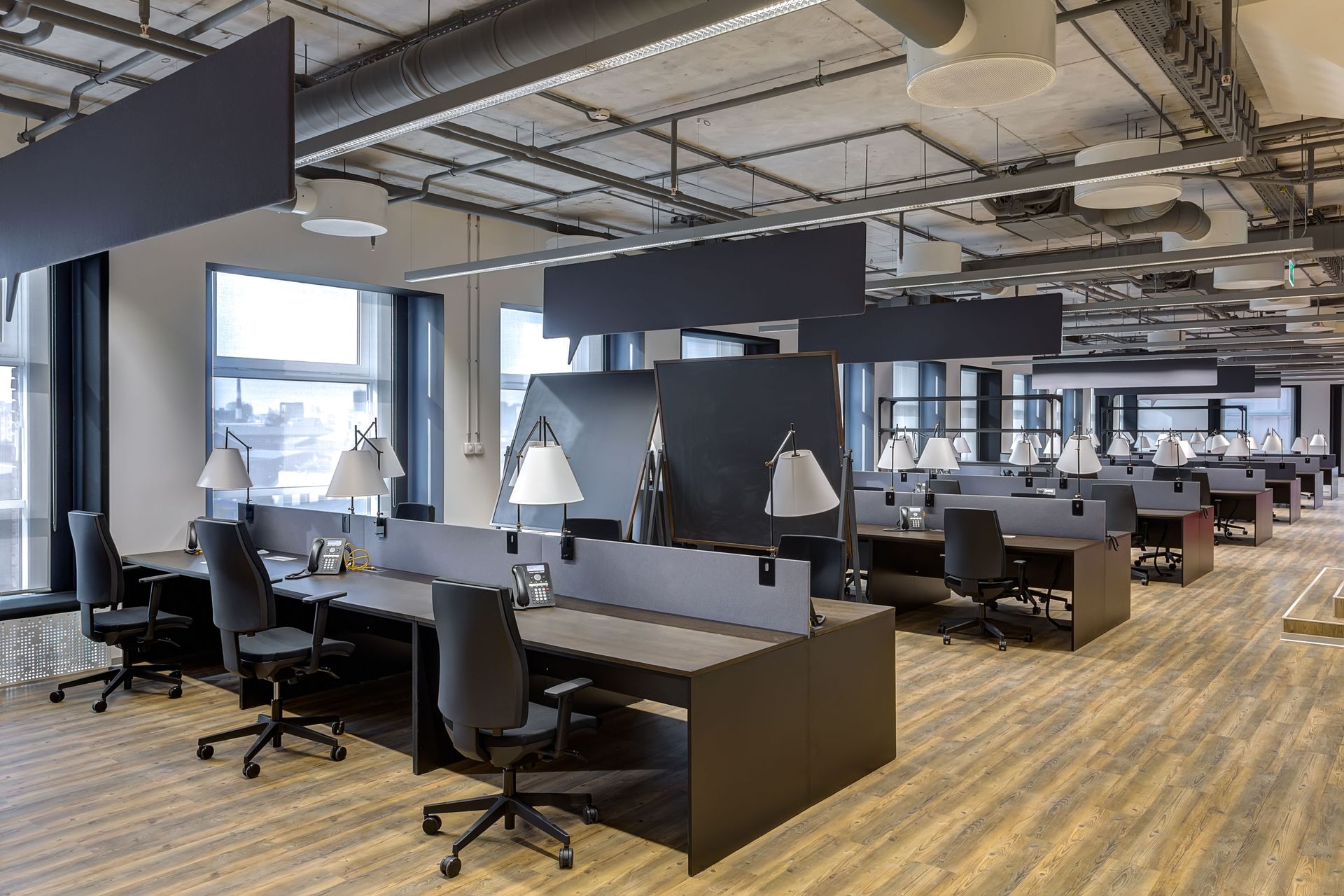
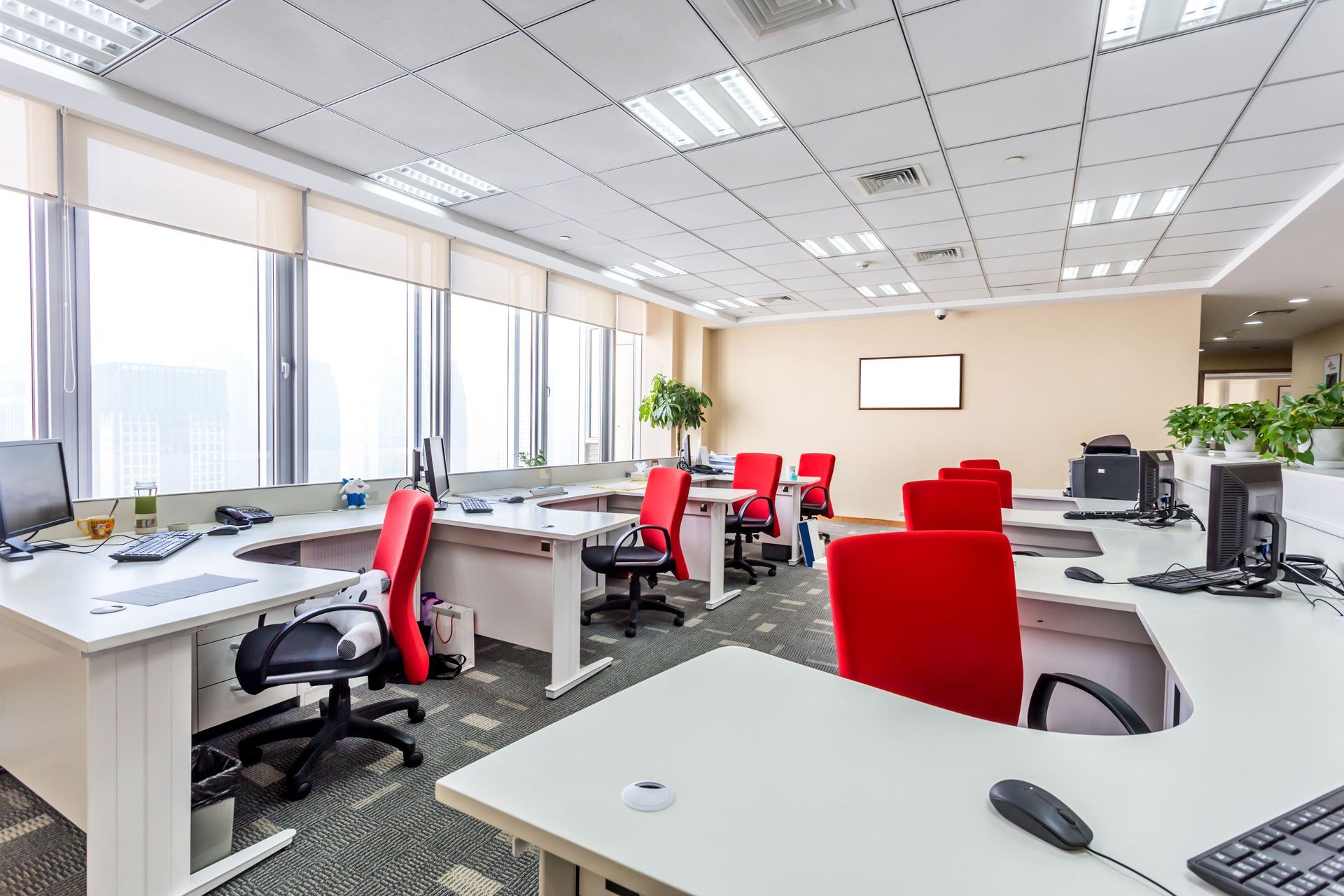
Commercial office furnishings encompass many of the physical elements used to create a functional workplace. Desks and workstations are among the most recognizable components, providing employees with dedicated areas for completing individual tasks. Depending on the organization, these may include traditional desks, modular workstations, sit-stand desks, or flexible benching systems.
Office seating is another important consideration. Employees may spend much of their working day sitting, making supportive and adjustable chairs particularly valuable. Conference tables, meeting chairs, reception furniture, filing systems, shelving, and storage solutions can also contribute to a well-organized office.
Modern commercial office furnishings increasingly include pieces designed for collaboration and flexibility. Lounge seating, mobile tables, privacy screens, and movable partitions can allow employees to transition between individual work, meetings, and group activities without requiring completely separate rooms for every function.
Choosing these elements as part of a cohesive plan can make it easier to create a workplace where furniture supports rather than interferes with everyday activities.
How Do Office Furnishings Affect Employee Productivity?
The physical setup of a workplace can have a meaningful influence on how efficiently employees complete their work. An uncomfortable chair, poorly positioned monitor, inadequate desk space, or cluttered workstation can create distractions and physical discomfort. Over time, these seemingly minor problems can make it more difficult for employees to remain focused.
Well-planned commercial office furnishings can help address these issues by giving employees appropriate support and sufficient workspace. Desks with useful layouts can keep essential equipment within easy reach, while adjustable chairs can help employees find more comfortable working positions.
Furniture can also influence productivity by supporting different types of work. An employee handling focused individual tasks may benefit from a quieter workstation, while a team working on a project may need a shared table or collaborative area. Providing multiple workspace options can allow employees to choose environments that correspond with the task at hand.
Organization is another factor. Effective storage furniture can reduce clutter and make important materials easier to locate. When employees can navigate their workspace efficiently, they may spend less time dealing with physical obstacles and more time concentrating on their responsibilities.
What Role Do Office Furnishings Play in Workplace Aesthetics?
A workplace communicates something about an organization before employees or visitors have a chance to interact with its people. Furniture contributes significantly to that first impression. Colors, materials, shapes, finishes, and furniture arrangements can collectively establish a particular visual character.
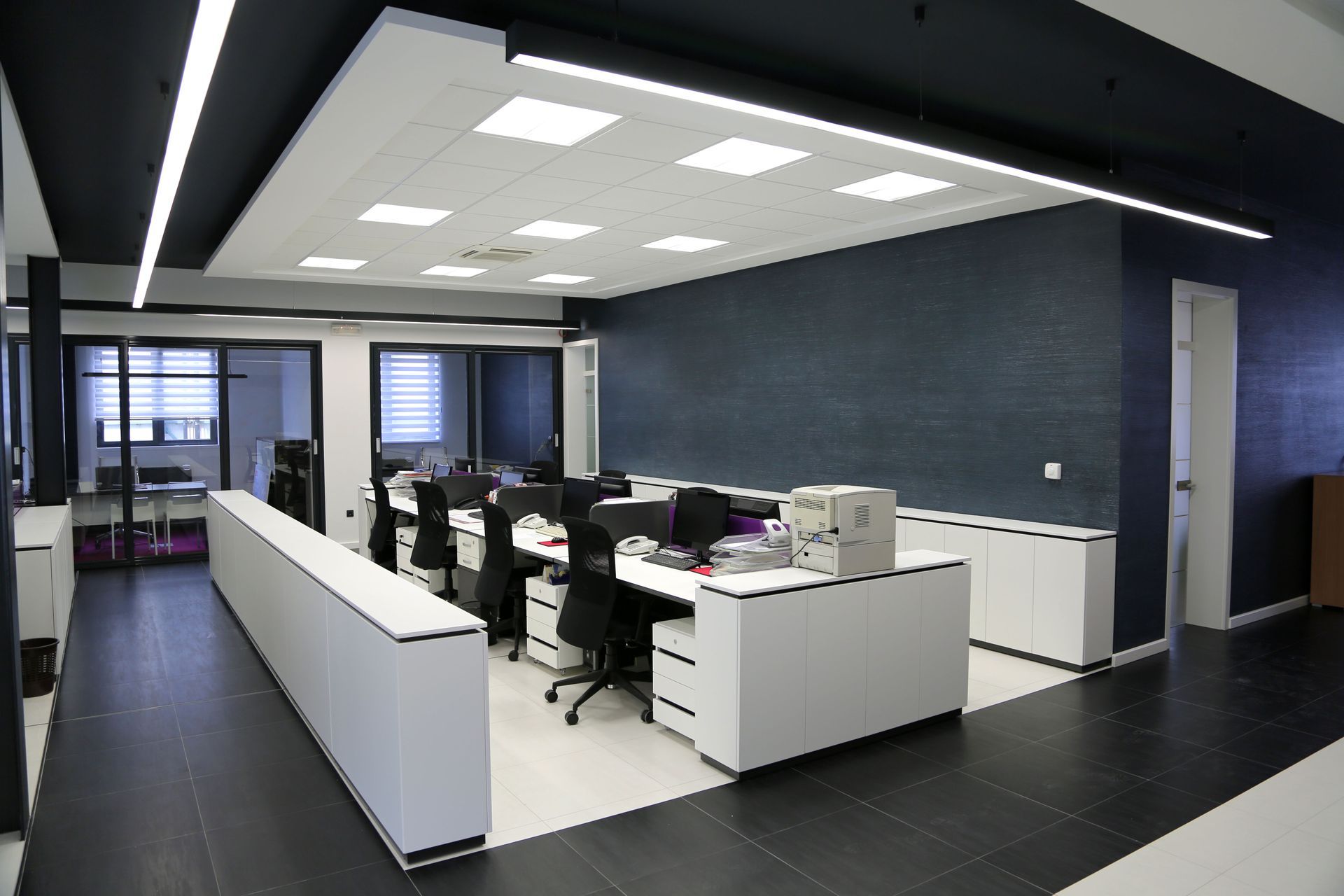
For example, a company seeking a contemporary appearance might incorporate clean lines, minimalist workstations, neutral finishes, and flexible collaborative seating. Another organization might prefer natural materials, warmer colors, and comfortable lounge furniture to create a more relaxed atmosphere.
Commercial office furnishings can therefore become an extension of a company's brand and culture. A thoughtfully designed environment can communicate professionalism while also creating a workplace where employees feel that their surroundings are intentional and welcoming.
Aesthetics are not simply about appearances, however. The way furniture is arranged can influence how people move through a workplace and interact with one another. An open collaborative area can encourage spontaneous conversations, while designated quiet spaces can provide opportunities for concentration.
How Can Office Furnishings Improve Employee Well-Being?
Employee well-being is increasingly important when organizations consider how their workplaces should function. Furniture cannot eliminate every source of workplace stress or physical discomfort, but appropriate furnishings can contribute to a healthier and more supportive environment.
Ergonomics is particularly important. Adjustable chairs, desks, monitor supports, and other ergonomic features can help employees customize their workstations to better suit their individual needs. Properly designed furniture can encourage more comfortable working positions and reduce some of the physical strain associated with prolonged desk work.
Commercial office furnishings can also support mental well-being by giving employees greater choice and control over their environments. A workplace with a mixture of individual workstations, collaborative areas, informal seating, and quiet spaces can accommodate different preferences throughout the day.
Natural materials, comfortable seating, appropriate lighting, and uncluttered layouts can further contribute to an environment that feels inviting rather than institutional. When employees have access to spaces that support both focused work and brief periods of relaxation, the office can become more responsive to the different demands of the workday.
What Are the Latest Trends in Commercial Office Furnishing?
Workplace expectations continue to change, and furniture manufacturers are responding with products designed for greater flexibility. One notable trend is the continued popularity of modular furniture. Components that can be moved, rearranged, or reconfigured allow businesses to modify their layouts as teams and organizational needs change.
Sit-stand workstations are another increasingly common feature. These desks allow employees to alternate between sitting and standing rather than remaining in one position throughout the workday. Height-adjustable tables are also useful in collaborative spaces where different activities may take place.
Technology integration is influencing commercial office furnishings as well. Modern workspaces may incorporate built-in power outlets, charging stations, cable-management systems, and other features that accommodate laptops, monitors, and mobile devices. These additions can help keep technology accessible without allowing cables and equipment to overwhelm the workspace.
There is also growing interest in furniture that supports hybrid work. Offices may need fewer permanent individual workstations while requiring more flexible meeting rooms, shared desks, touchdown spaces, and collaborative areas. Furniture that can serve multiple purposes makes it easier for organizations to adapt their physical environments to changing work patterns.
Sustainability is another consideration. Businesses may increasingly look for durable furniture, responsibly sourced materials, recyclable components, and products designed for long-term use. Selecting furnishings that can withstand years of daily use can also reduce the need for frequent replacement.
The modern office is no longer simply a collection of desks arranged in a room. It is an environment designed to support the people who use it, and furniture plays a significant role in determining whether that environment succeeds.
Commercial office furnishings can influence productivity by improving organization and supporting different types of work. They can contribute to company culture through visual design, improve comfort through ergonomic features, and provide flexibility as workplace needs evolve. Newer trends involving modular layouts, technology integration, hybrid work, and sustainability are further expanding what businesses can accomplish with their office environments.
As organizations continue to rethink how and where employees work,
commercial office furnishings will remain an important part of that process. A thoughtful approach to selecting and arranging furniture can help businesses create workplaces that are functional today while remaining adaptable to the needs of tomorrow. If you're looking for office furniture, reach out to the team at Modern Office Interiors today!