August 13, 2026
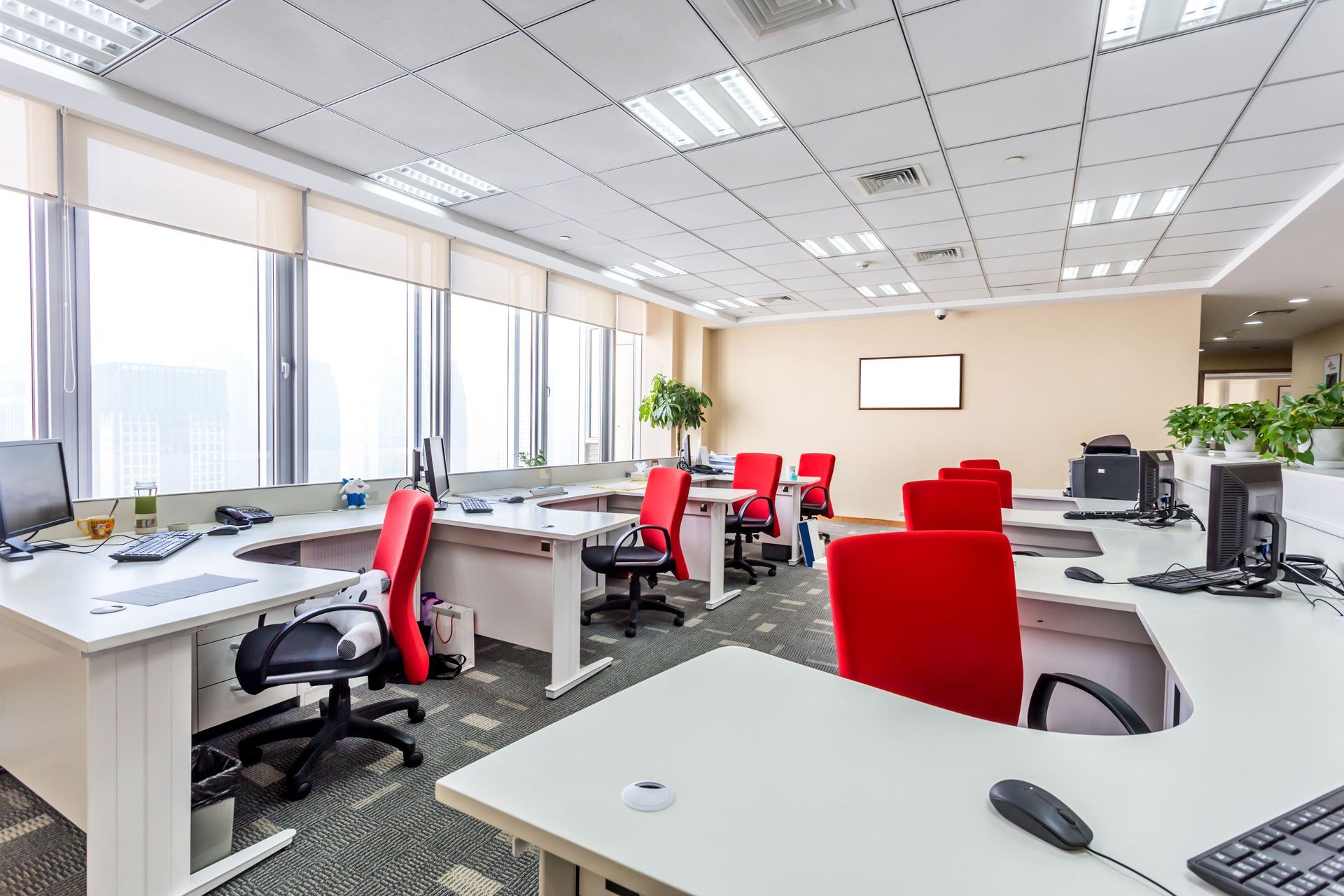
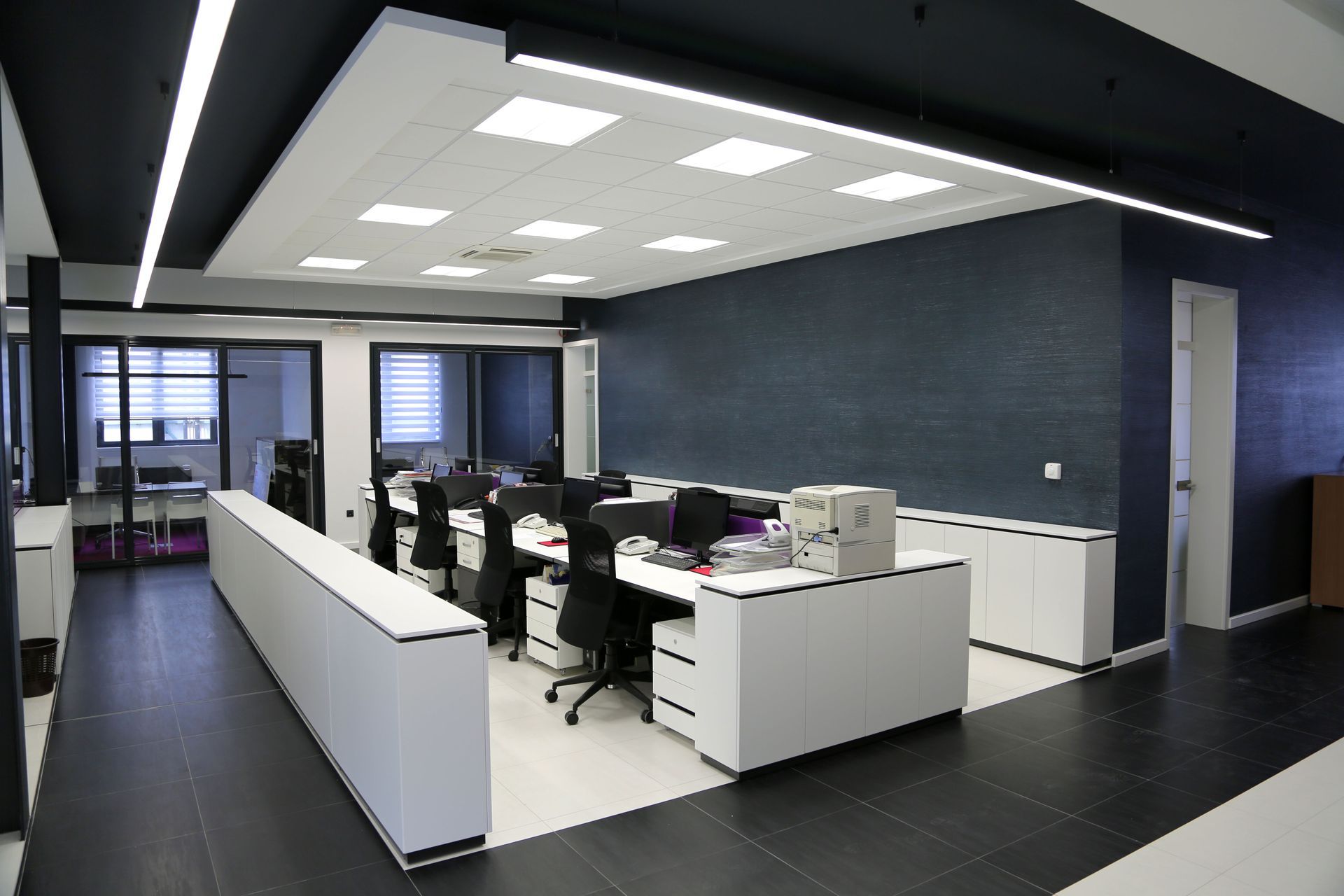
The modern workplace has undergone a profound transformation in recent years. Gone are the days of rigid, isolated cubicles and static layouts that stifle creativity and isolate team members. Forward-thinking business leaders understand that the physical environment directly impacts how teams perform, communicate, and innovate. This shift in mindset has led to a major revolution in how companies plan their spaces. As organizations look to build dynamic, resilient cultures, they prioritize layouts that can adapt to changing needs. At the core of this transformation are modern office furniture designs, which are specifically crafted to foster flexibility and collaboration across all departments. By moving away from fixed structures and embracing adaptable pieces, companies empower their employees to work in ways that best suit their daily tasks. Whether it is a quick, spontaneous brainstorming session or hours of deep, focused individual work, the right layout makes all the difference. As the corporate landscape continues to evolve, creating an environment that actively supports varied work styles is an absolute necessity for long-term operational success, increased creativity, and lasting employee satisfaction.
Shifting Toward Adaptable Workspaces
Flexibility is an undeniable cornerstone of any forward-thinking business strategy, and the physical workspace must reflect that organizational agility. Adaptable pieces allow companies to reconfigure their rooms at a moment's notice, seamlessly catering to team expansions, special cross-departmental projects, or simply changing daily operations. Instead of being locked into a single, restrictive floor plan, organizations can utilize modular desks, movable partitions, and wheeled seating to transform a formal presentation space into an informal collaborative lounge within minutes. When investing in these critical environmental upgrades, many companies prefer to see the physical pieces in person to ensure they meet exact specifications. According to Grand View Research, offline sales represented 61.82% of U.S. office furniture purchases in 2025, reflecting businesses' preference for evaluating office furniture designs before installation. This tangible evaluation process helps decision-makers select components that offer true modularity and lasting durability. A highly adaptable environment ensures that the physical space never becomes a bottleneck for productivity. Instead, it becomes a dynamic tool that grows and shifts alongside the team, making the daily routine significantly smoother and more efficient.
Enhancing Teamwork With Smart Layouts
Collaboration is the lifeblood of continuous innovation, and the physical setup of a room plays a massive role in whether teamwork thrives. Traditional, heavily segmented rooms often create unintentional barriers between departments, making spontaneous communication difficult. Modern interior approaches deliberately strip away these restrictive barriers to encourage a free flow of ideas. Large communal tables, comfortable lounge seating, and thoughtfully shared workstations naturally draw people together, sparking important conversations that might not happen in a strict setting. The ultimate goal is to make gathering feel completely effortless. When professionals can easily pull up a chair or roll a mobile whiteboard to a shared desk, brainstorming naturally becomes an integrated part of the day. Many of the best office furniture designs prioritize this exact type of friction-free, spontaneous interaction. By strategically placing collaborative zones throughout the entire floor plan, companies ensure that no matter where an employee is seated, they are only a few steps away from a space designed for collective problem-solving. This deliberate approach to layout builds stronger professional relationships and drives faster project outcomes.
Balancing Privacy With Open Communication
While working together is critically important for growth, an over-emphasis on entirely open areas can quickly lead to noise fatigue and widespread distraction among the workforce. True workspace flexibility means providing optimized environments for every type of task, including deep, highly focused work that requires absolute silence. The most effective layouts strike a careful balance between lively communal areas and serene quiet zones. Acoustic pods, high-backed privacy chairs, and personal focus booths allow individuals to easily step away from the chaotic bustle of the main floor. These private enclosures are absolutely essential for taking confidential phone calls, participating in complex virtual meetings, or simply digesting dense reports without constant interruption. Integrating these essential quiet zones requires a deeply thoughtful approach to spatial planning. The most successful office furniture designs seamlessly blend open and closed concepts together, ensuring that privacy elements do not feel painfully isolated. By giving individuals the autonomy to choose the exact type of space they need at any given moment, organizations foster a much more respectful and productive atmosphere where focused execution thrives.
Integrating Technology for Seamless Workflows
In our highly connected digital age, a workspace must be exceptionally well-equipped to handle a constant stream of technological demands. Modern collaborative efforts almost always involve high-definition digital presentations, seamless video conferencing, and simultaneous cloud-based document editing. If the physical layout of the room does not fully support these crucial digital tools, the entire collaborative process quickly stalls. Furniture must serve as a reliable bridge between physical human interactions and necessary digital workflows. Built-in power outlets, smoothly integrated charging stations, and easily accessible cable management systems are standard requirements for any functional commercial workspace. Desks and large conference tables are currently being crafted to hide unsightly wires while simultaneously keeping essential network connections within arm's reach. As progressive businesses explore different spatial setups, they increasingly rely on advanced office furniture designs that purposefully anticipate future technological needs rather than reacting to temporary trends. Interactive whiteboards that double as movable room dividers and specialized media tables with instant screen-sharing capabilities allow teams to merge physical and virtual workflows effortlessly, allowing focus to remain entirely on collaborative work.
Fostering Employee Well-Being and Retention
A workspace that aggressively champions flexibility and active collaboration is fundamentally a workspace that genuinely cares about the people operating inside it. Ergonomics and everyday physical comfort are intimately tied to overall mental well-being and sustained focus. Sitting at a rigid, uncomfortable desk for hours on end rapidly drains physical energy and severely limits creative thinking processes. Conversely, dynamic setups that actively encourage physical movement throughout the workday keep professionals highly motivated. High-quality sit-to-stand desks, advanced ergonomic seating that intuitively adjusts to individual posture, and varied workspace options give people complete control over their physical comfort levels. This elevated level of care translates directly into significantly higher daily morale and much stronger long-term employee retention rates. When dedicated professionals feel that their employer has heavily invested in their daily physical comfort, they are substantially more likely to remain deeply engaged. Exceptional office furniture designs incorporate ergonomic health principles seamlessly into their outward aesthetic, ensuring that the space looks inviting while supporting the complex human body. A comfortable employee is a highly productive employee, eager to openly share complex ideas.
The ongoing transformation of the modern corporate environment is continually driven by a vital need for agility, physical comfort, and human connection. Organizations that truly want to stay ahead of the curve must abandon rigid, outdated floor plans in favor of dynamic, adaptable solutions that empower their teams. A physical workspace should never hold a growing business back; rather, it should constantly act as a powerful catalyst for sustained growth and continuous innovation. By prioritizing versatile floor layouts, seamless technology integration, and exceptional ergonomic comfort, corporate leadership can easily cultivate a thriving culture where professionals truly excel. As global workforce expectations continue to shift, the widespread demand for high-quality office furniture designs that comprehensively support highly varied working styles will undeniably only grow stronger over time. Creating an incredibly functional, highly inspiring, and deeply comfortable environment is a vital investment in your team's immediate future and overall long-term success. If you are finally ready to elevate your commercial workspace and thoughtfully create an environment that truly supports ongoing collaboration and unmatched flexibility, our dedicated team of experts is here to help you bring that ambitious vision to life. Call Modern Office Interiors today to learn more about how we can transform your space.